
Loading...
Serving Lawndale, CA and surrounding areas. (424) 318-3156
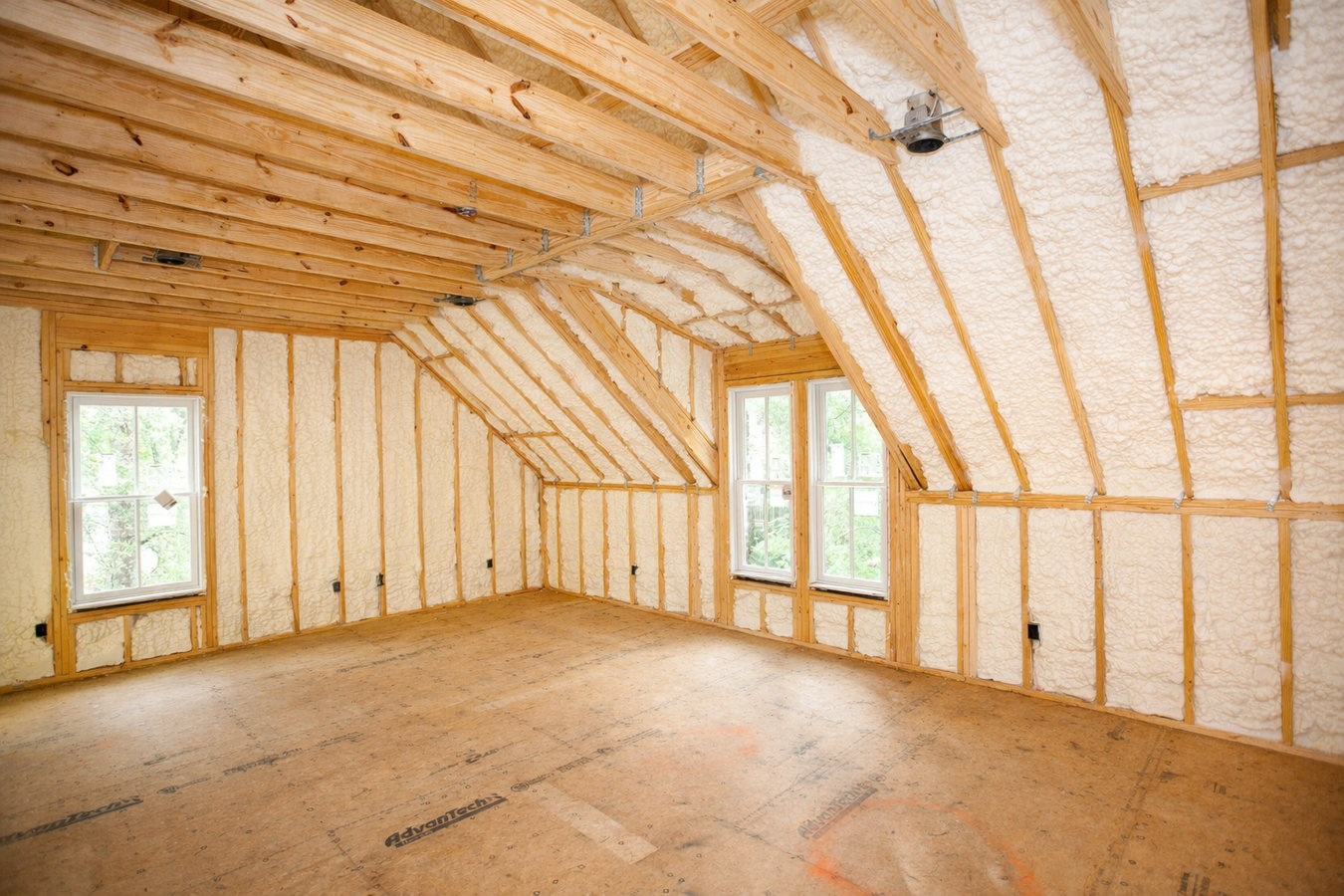
Open-cell spray foam fills wall cavities and attic spaces completely - reaching the gaps that batts miss and sealing air leaks that have been draining your comfort and your energy bill for years.
Open-cell spray foam insulation in Lawndale is a soft, expanding material sprayed as a liquid onto walls, attic surfaces, or crawl space areas where it expands up to 100 times its original size and hardens into a lightweight foam that fills every gap, crack, and irregular space - insulating and sealing air leaks in a single pass, with most residential jobs completed in one to two days.
Traditional fiberglass batts sit between studs but leave gaps around pipes, wires, and framing where air moves freely. Open-cell foam is sprayed in as a liquid, which means it conforms to whatever shape the cavity takes - a real advantage in older Lawndale homes from the 1950s through 1970s where framing is irregular and settling has created openings that standard insulation cannot reach. For homeowners who want to know how open-cell compares to the denser alternative, our spray foam insulation page covers both types side by side.
The U.S. Department of Energy covers spray foam insulation types and their applications in detail at energy.gov/energysaver/insulation - a useful reference before you compare materials with a contractor.
In Lawndale's warm season, attic temperatures can climb well above 130 degrees on a sunny afternoon, and that heat radiates down through an under-insulated ceiling into your living space. If your upstairs rooms are consistently warmer than your thermostat setting - even with the AC running - your attic insulation is likely the problem. This is one of the most common complaints from homeowners in older Lawndale neighborhoods.
If your Southern California Edison bill has been creeping up year over year and you have not added new appliances or changed how you use your AC, your home's insulation may be why. Poor insulation forces your air conditioner to run longer and harder. A home leaking conditioned air is essentially paying to cool the neighborhood.
Hold your hand near an electrical outlet on an exterior wall on a warm day. If you feel warm air coming through, your wall cavities are not properly sealed. This is especially common in Lawndale homes built before 1980, where wall insulation was minimal or installed without any attention to air sealing. Open-cell foam addresses the insulation gap and the air leakage at the same time.
Lawndale's coastal location means morning humidity is a regular fact of life, and that moisture has to go somewhere. If you notice a musty smell coming from your attic access or signs of moisture in your crawl space, your home's envelope is not keeping outdoor air out. Upgrading your insulation with a product that also seals air movement can break that cycle before it leads to mold or bigger structural problems.
We apply open-cell foam in attics, interior wall cavities, and accessible crawl spaces - wherever your home is losing the most conditioned air. Every project starts with an in-person assessment: we look at the framing, check for existing moisture issues, measure the areas that need coverage, and confirm there is nothing that needs to be addressed before foam goes in. That walkthrough is how we catch problems early and give you an accurate quote rather than a number that changes once the crew opens things up. Homeowners who want a broader view of all foam options - including when closed-cell makes more sense than open-cell - will find that comparison on our commercial insulation page for business properties, or by calling us directly for residential questions.
When the work is done, we walk you through the finished job before the crew leaves - consistent coverage, no thin spots at edges or around framing, no areas that were rushed. A reputable installer welcomes that walkthrough. If anything looks off while the crew is still on-site, that is the moment to raise it.
Suits homeowners who want a complete seal across the attic floor or roof deck - particularly effective for reducing heat gain in Lawndale homes with low-pitched roofs exposed to afternoon sun.
Best for older homes undergoing renovation where walls are open and accessible - fills irregular framing and seals around pipes and wiring that fiberglass batts cannot accommodate.
Open-cell foam absorbs sound reasonably well - a useful side benefit for Lawndale homeowners near busier streets like Prairie Avenue or Hawthorne Boulevard where traffic noise is constant.
Suits homeowners in older Lawndale homes who want a meaningful improvement without opening up all the walls - targeted foam applications in the highest-impact areas give the biggest return for the investment.
Lawndale sits just a few miles from the Pacific Ocean, and the marine layer that rolls in off the coast most mornings keeps local humidity higher than inland neighborhoods of Los Angeles County. That persistent coastal moisture can work its way into poorly sealed wall cavities and attic spaces over time - reducing how well your insulation performs and creating conditions for musty smells or mold if left unchecked. Open-cell foam creates a continuous barrier against that humid air moving through gaps in your walls or attic framing. Homeowners in nearby Hawthorne and Gardena deal with the same South Bay climate patterns, and we bring the same material approach to every project across the area.
Most of Lawndale's residential neighborhoods were built in the 1950s through 1970s, an era when insulation standards were a fraction of what they are today. Many homes still have their original fiberglass batts - or no insulation at all in certain wall cavities - and that original material has had decades to compress and lose effectiveness. California's building energy code sets minimum insulation requirements for permitted work, and any permitted project in Lawndale must meet those current standards. Lawndale is also served by Southern California Edison, which periodically offers rebates for qualifying insulation upgrades - worth confirming with your contractor before the work is scheduled so you do not miss an incentive that could offset the cost. The Spray Polyurethane Foam Alliance maintains installation standards and contractor resources at sprayfoam.org - a useful reference for understanding what proper foam installation should look like.
The first conversation is short - we ask about your home's age, which areas you want insulated, and what comfort problems you have been noticing. We reply within one business day and schedule an in-person visit. No price is given over the phone, because an accurate quote requires seeing the space.
We visit, look at your attic, walls, or crawl space, and check for anything that needs to be addressed before foam goes in - moisture issues, ventilation gaps, or existing insulation that should come out first. The assessment usually takes 30 to 60 minutes and results in a written quote with no pressure to sign on the spot.
The crew arrives with their equipment, protects surfaces that should not get foam on them, and sprays the areas outlined in your quote. The foam expands and hardens within seconds. You and your family - including pets - need to be out of the home for at least 24 hours after spraying while the foam cures and the air clears.
Before the crew leaves, we walk you through the completed work so you can see the coverage yourself. If a permit was required, the city inspection is coordinated by us - you do not have to manage that process. After sign-off, the job is done and no ongoing maintenance is needed.
We come to your Lawndale home, take a real look at your attic or wall cavities, and give you an honest written quote. No phone estimates, no pressure to sign that day.
(424) 318-3156No price is given over the phone. We visit your home first - measuring the space, checking for moisture or ventilation issues, and confirming the area is ready for foam before any number is discussed. That approach is how we avoid surprises on your bill and deliver results that actually match what was promised.
Lawndale's marine air and older housing stock create conditions that inland contractors are not used to working in. We know which applications hold up in coastal humidity, which areas of older South Bay homes need the most attention, and how to recommend materials that fit both the building and the climate.
California's residential energy standards apply to any permitted insulation work in Lawndale. We handle permit applications and coordinate inspections when required, so you are not left managing a process you are unfamiliar with. The work passes inspection the first time because it is done to the right standard from the start.
Foam is a product you can see and verify. Before the crew packs up, we walk you through the completed coverage - consistent thickness, no gaps at edges, no thin spots at framing. You leave with a written record of the product and coverage installed, so you know exactly what went into your home before you sign anything.
Every one of these points adds up to the same outcome: a project that performs the way you expected, in a home that feels noticeably more comfortable within days of the work being done. That is what a straightforward, honest insulation job looks like.
Insulation solutions sized for offices, warehouses, and retail spaces - built around California Title 24 compliance and South Bay coastal conditions.
Learn MoreA full overview of spray foam options - open and closed cell - to help you understand which material fits your specific project and budget.
Learn MoreSummer heat and coastal humidity do not wait - contact us today and we will schedule your assessment within one business day.