
Loading...
Serving Lawndale, CA and surrounding areas. (424) 318-3156
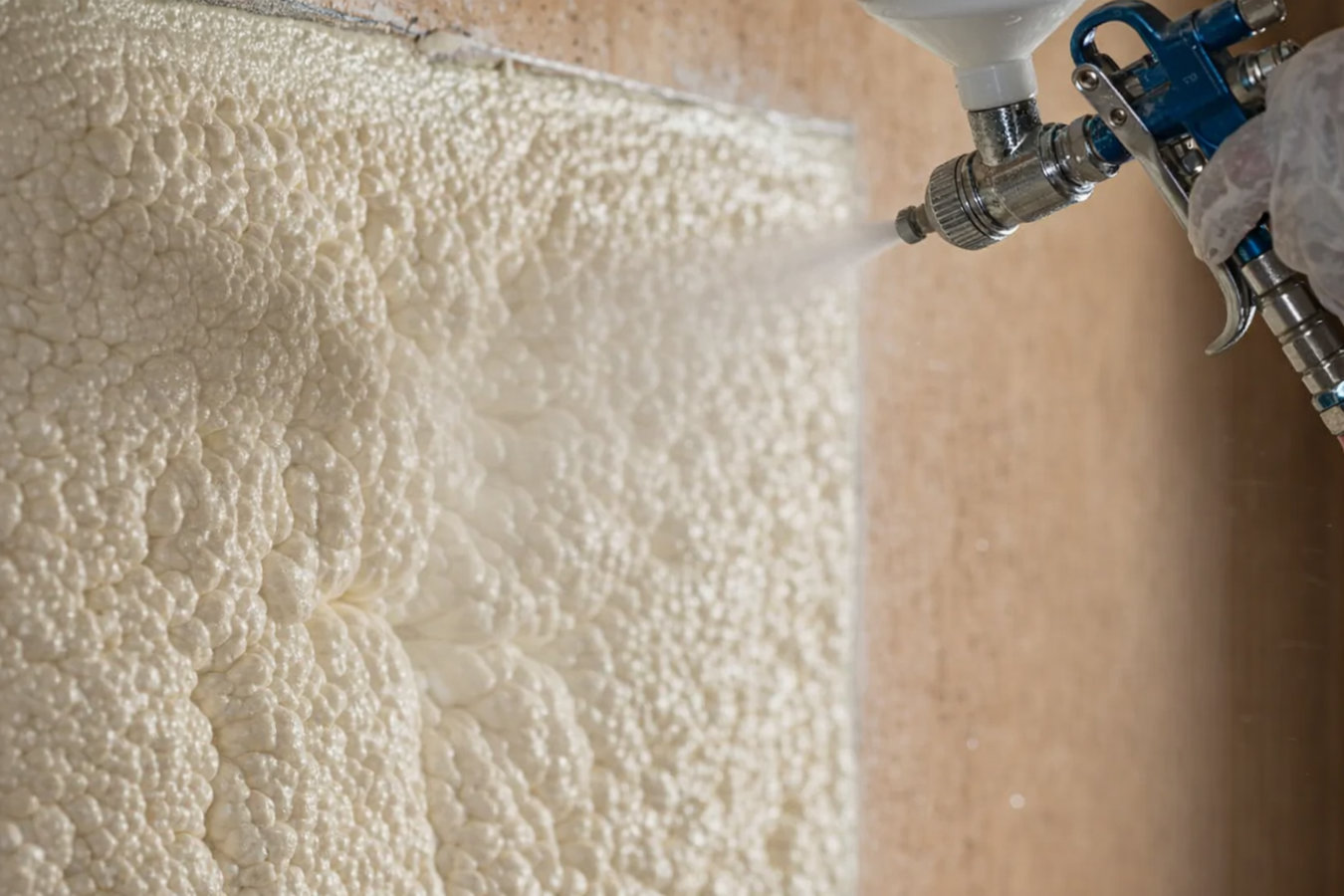
Lawndale Insulation provides spray foam insulation, attic insulation, blown-in, and air sealing for El Segundo homeowners. We have served the South Bay since 2017 and reply to every inquiry within one business day.
El Segundo's postwar homes have original wood framing that was never designed with air sealing in mind - rim joists, band joists, and attic knee walls are common air leak locations. Our spray foam insulation service addresses all of these in a single application, creating a continuous barrier that older fiberglass batts cannot match, and one that holds up against coastal moisture.
A large share of El Segundo homes still have their original 1950s or 1960s attic insulation, which has compressed to a fraction of its original depth over the decades. Upgrading to blown-in cellulose or fiberglass at current California Title 24 standards is the highest-return thermal improvement available to most homeowners in this city - and it requires no demolition.
Blown-in material fills around existing framing, wiring, and obstacles without opening walls or removing existing material, making it ideal for El Segundo's compact postwar homes where attic access is often through a single small hatch. It delivers even, consistent coverage across the attic floor in a few hours.
El Segundo homes built on raised foundations often have little or nothing below the floor joists, and cold floors in winter are a common complaint from homeowners here. Insulating the crawl space with spray foam or rigid batt material stops heat loss through the floor and eliminates a major pathway for coastal moisture to enter the living space from below.
Decades of small renovations in El Segundo homes have left behind unsealed penetrations around plumbing, electrical, and HVAC equipment in the attic and walls. Sealing those gaps before adding insulation is what separates a job that delivers real comfort improvement from one that leaves the homeowner wondering why the bills did not drop.
Retrofitting insulation into existing walls without opening them is a practical option for El Segundo homeowners who want full building envelope performance without a full remodel. Dense-pack blown-in can be installed through small holes drilled in the wall sheathing or drywall - a minimally invasive approach that works well in the city's stucco-clad postwar homes.
The bulk of El Segundo's housing stock was built during the postwar aerospace boom of the 1940s through the 1970s. These are well-built homes, but they were constructed before California had any residential energy code, and the insulation installed at the time was minimal by current standards. A typical ranch home from 1955 might have original R-11 batts in the attic - compressed after 70 years to something closer to R-6 in practice. The walls in homes of that era are often completely uninsulated. Homeowners who have never addressed insulation are paying the difference in their energy bills every month and living with comfort problems they assume are just part of having an older house.
El Segundo's location right on the Pacific coast adds another layer of complexity. The city faces persistent coastal moisture from the marine layer that rolls in off the ocean most mornings, particularly from May through August. Salt air from El Segundo Beach works on exterior materials year-round, accelerating the breakdown of older insulation, caulk, and sealants. Any gap in the building envelope - around plumbing, electrical, or HVAC penetrations - becomes a path for that humid salt air to get inside the wall cavities and attic. A proper insulation upgrade here has to account for both thermal performance and moisture management.
Our crew works throughout El Segundo regularly, and we understand the local conditions that affect insulation work here. The city is compact - about 5.5 square miles - and the residential neighborhoods are concentrated on the eastern and southern sides of Main Street, away from the industrial areas near El Segundo Beach and LAX. Most of the homes we work on here are single-story stucco ranch houses on modest lots, built between 1945 and 1970. They are solid homes with good bones, but the original insulation is decades past its useful life.
El Segundo has a genuine small-town feel that is rare for a city this close to LAX and surrounded by the Los Angeles metro. Main Street is the social center of the community, lined with local restaurants and shops that residents actually use. The city is home to major aerospace and tech employers, and many homeowners here are engineers and professionals who want work done right and documented properly. We pull permits through the El Segundo Planning and Building Safety Division when required and provide written documentation of every job.
We also regularly serve homeowners in neighboring Manhattan Beach, CA to the south and Hawthorne, CA to the east - cities with similar postwar housing profiles that share El Segundo's coastal and inland climate conditions.
Reach us by phone or through the contact form on this page. We reply within one business day and schedule your on-site visit within a few days. No obligation, no sales pitch on the call.
We come to your El Segundo home, inspect the attic, crawl space, or walls, and give you a written estimate at no charge. You will see exactly what material is currently there, what we recommend, and what it will cost before agreeing to anything.
Our crew arrives on time with all equipment and materials loaded. Most El Segundo jobs are done in one day. We protect the attic hatch and work areas throughout the process and clean up completely before leaving.
Before we leave, we walk through what was installed, show you the coverage, and hand you written documentation of insulation type, R-value achieved, and area covered. That documentation is useful for future permits, energy rebate programs, or home sale disclosures.
We serve all of El Segundo - from the streets near Main Street to the neighborhoods closer to the beach. Free written estimates, no pressure, reply within one business day.
(424) 318-3156El Segundo is a small, close-knit coastal city of about 16,000 people situated between Los Angeles International Airport to the north and Manhattan Beach to the south. Despite its modest size - just 5.5 square miles of land area - the city has a distinct identity built around its walkable Main Street, its proximity to the ocean, and its long history as a center of aerospace and energy industry employment. Major employers including Boeing, Raytheon, Northrop Grumman, and Chevron have maintained facilities in El Segundo for decades, and the city has more recently attracted a growing number of technology and media companies. The city was founded in 1911 when Standard Oil opened a refinery on its western edge - the Chevron El Segundo refinery that remains one of the largest on the West Coast.
Residential El Segundo is dominated by single-family homes, most of them postwar ranch-style stucco houses built in the 1940s through 1970s on modest lots. Owner-occupancy rates are relatively high for Los Angeles County, and many families have lived in the same home for years. The city borders Manhattan Beach, CA to the south and Hawthorne, CA to the east, and sits directly on the Pacific coast with El Segundo Beach accessible at the western end of Grand Avenue. The beach and coastal location contribute to the salt air conditions that affect exterior maintenance throughout the city.
Creates an airtight seal that dramatically reduces energy loss in your home.
Learn MoreKeeps your home comfortable year-round by stopping heat transfer at the top.
Learn MoreFills gaps and cavities evenly for consistent whole-home thermal performance.
Learn MoreComprehensive insulation solutions that improve comfort and lower energy bills.
Learn MoreProtects floors and pipes while reducing moisture and improving efficiency.
Learn MoreSeals drafts and gaps that let conditioned air escape your living spaces.
Learn MorePrevents cold floors and moisture issues with proper basement coverage.
Learn MoreHigh-density foam that adds structural strength and a strong moisture barrier.
Learn MoreLightweight foam that expands to fill cavities and absorb sound effectively.
Learn MoreIndustrial-grade insulation for offices, warehouses, and commercial buildings.
Learn MoreBlocks ground moisture from entering your crawl space and damaging your home.
Learn MorePrevents condensation buildup that leads to mold, rot, and structural damage.
Learn MoreUpgrades existing insulation without major demolition or disruption to your home.
Learn MoreIf your home was built before 1980, you are almost certainly leaving comfort and money on the table - call us now and we will show you exactly what an upgrade would do for your home.