
Loading...
Serving Lawndale, CA and surrounding areas. (424) 318-3156
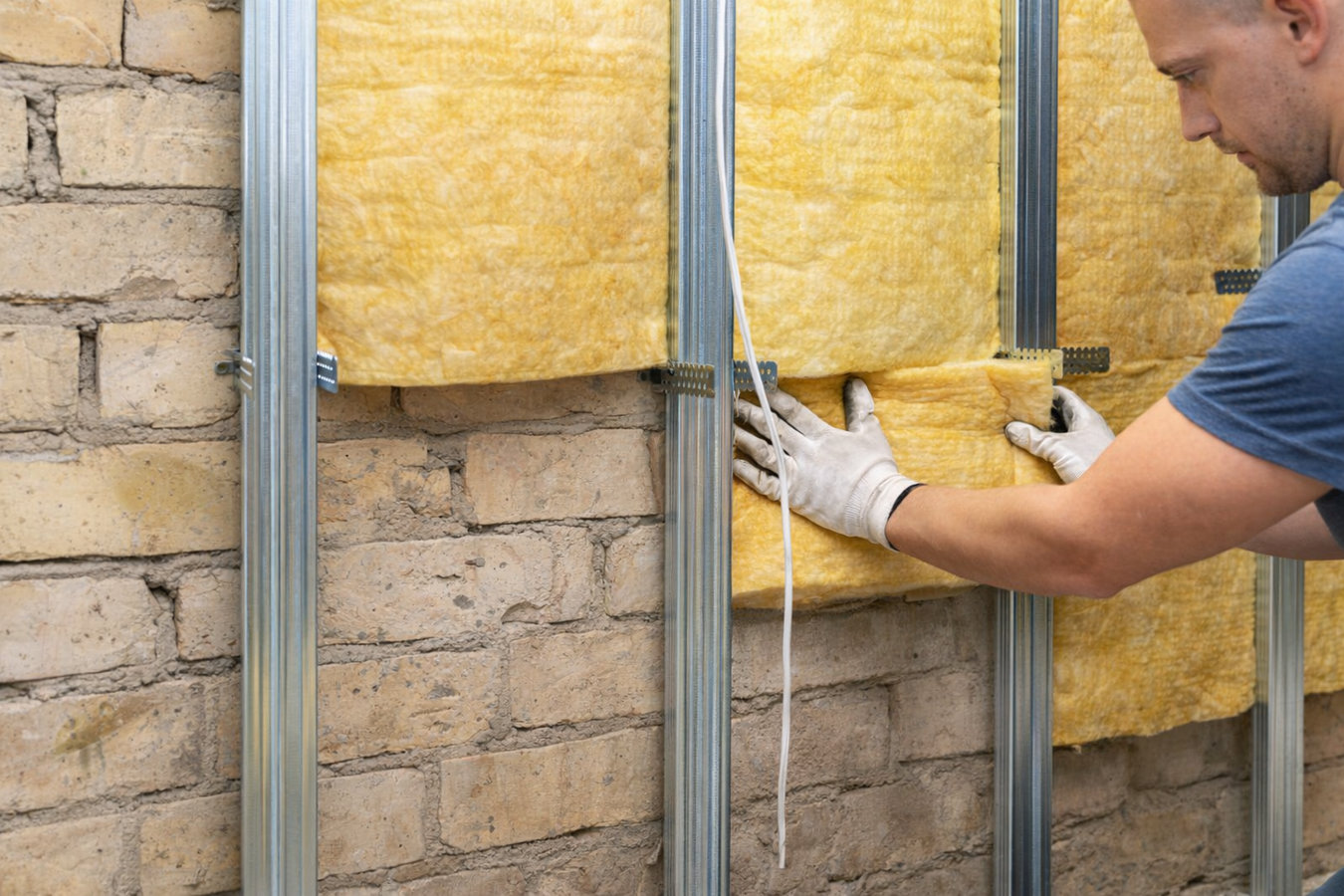
Cold floors, musty smells, and high energy bills are all signs your basement is not doing its job. We insulate lower-level spaces the right way - addressing moisture first, then sealing and insulating for lasting results.
Basement insulation in Lawndale means slowing heat movement through lower-level walls and ceiling assemblies, stabilizing indoor temperatures, and stopping the moisture that coastal air carries into uninsulated spaces - most jobs are completed in one to two days with the space usable again almost immediately.
Most homes in Lawndale were built between the 1940s and 1970s, when basement insulation standards were minimal by today's expectations. What was installed decades ago - if anything - may be compressed, deteriorated, or pest-damaged. Closing that gap makes a real difference in daily comfort: floors stop feeling cold, that faint musty smell fades, and your air conditioner runs less during the warm afternoon hours that are common across the South Bay. If your lower level also has a crawl space, our crawl space insulation service addresses that area as part of a complete lower-level solution.
The U.S. Department of Energy outlines where basement insulation has the most impact in their homeowner insulation guide at energy.gov - a useful starting point if you want to understand your options before we visit.
If the floor of your main living area feels cold underfoot even when the thermostat is set to a comfortable temperature, the uninsulated basement below is pulling heat out through the ceiling assembly. This is one of the most common complaints in older South Bay homes built in the 1950s and 1960s, and it is one of the clearest signs that basement insulation would make a real difference.
A persistent musty odor in the basement or in rooms directly above it usually means moisture is moving through uninsulated walls or floor assemblies. Lawndale is only a few miles from the Pacific, and marine air carries enough humidity to create damp conditions in an unsealed basement over time. That moisture problem and the insulation problem are best solved together.
Lawndale's coastal location means mornings can be 15 to 20 degrees cooler than mid-afternoon. If your home follows that outdoor swing throughout the day rather than staying stable, your basement is likely letting that temperature change in from below. Good insulation acts as a buffer between the outdoor environment and your living space.
If your basement ceiling has exposed insulation batts that are falling down, stained, or visibly compressed, they are no longer doing their job. Insulation that has been wet, compressed, or disturbed by pests loses most of its ability to slow heat movement. This is something you can check yourself with a flashlight - you do not need a contractor to tell you it is time.
We insulate basement walls, ceiling assemblies, and the rim joist area where your foundation meets the framing above - the spots where heat loss and moisture entry are most significant. Before any insulation goes in, we check for moisture: trapping humidity behind insulation leads to mold inside the wall cavity, and that is a problem that is expensive to fix later. If moisture is present, we address it first or tell you directly that waterproofing needs to come before insulation. For lower-level spaces that include a crawl space, our closed-cell foam insulation is a strong option that insulates, seals air gaps, and resists moisture simultaneously - a practical choice for Southern California's coastal climate.
We match the insulation type to your specific basement situation. Spray foam is the right call when you need both air sealing and insulation in one step or when framing is irregular. Batt insulation works well in finished or semi-finished spaces with consistent framing. We explain the trade-offs clearly so you can make the decision that fits your home and your budget - not the option that is easiest for us to install.
Suits unfinished basements where the concrete or block walls are exposed and accessible - the most common condition in Lawndale homes of this era.
Ideal for finished or semi-finished basements where you want to keep the lower level separated from the conditioned living space above.
Targets the gap between your foundation and the framing above it - often the biggest single source of heat loss and air leakage in older lower-level spaces.
For any basement with a history of dampness - we check before anything goes in and tell you honestly whether waterproofing needs to come first.
Lawndale sits about two miles from the Pacific Ocean, and that proximity matters for how basements age. Marine air carries more moisture than inland climates, and without insulation and air sealing, that humidity finds its way into lower-level spaces - creating the musty smells and damp conditions that homeowners here deal with far more often than people in drier parts of Los Angeles County. Choosing insulation materials that account for this moisture environment, and making sure gaps are sealed before insulation is installed, is more important here than in an inland city. Homeowners in Torrance and Gardena face similar conditions, and we bring the same moisture-aware approach to every job across the South Bay.
The majority of Lawndale homes were built in the 1950s and 1960s under building standards that required little to no basement or crawl space insulation. After 50 to 70 years, whatever was originally installed has often compressed, settled, or been disturbed by pests - and the rim joist area where the foundation meets the framing has typically never been sealed at all. Lawndale is served by Southern California Edison and SoCalGas, both of which offer rebate programs for qualifying insulation upgrades - worth checking before your project starts, since most programs require pre-approval. The EPA guidance on moisture and mold explains why addressing moisture before insulation is not optional - it is the step that protects the investment you are making.
We ask a few basic questions - basement size, whether it is finished or unfinished, and any history of moisture issues. This helps us come prepared. You will hear back within one business day to schedule the estimate.
We walk through your basement, check what is currently there, look for any moisture or pest damage, and measure the space. The visit takes 30 to 60 minutes. You get a written estimate explaining what we recommend and why - no obligation to move forward.
Before the crew comes, move stored items and furniture away from the walls and ceiling of the basement. Your contractor will tell you exactly what needs to be cleared. This is the main thing on your end, and it makes the job go faster.
Most Lawndale basement jobs are done in one day, sometimes two. We seal gaps first, then install insulation. Before we leave, we walk you through the finished work so you can see consistent, gap-free coverage with your own eyes.
No obligation. We assess what is actually there and give you a written quote - no sales pitch.
(424) 318-3156Installing insulation over a moisture problem is one of the most common contractor mistakes in coastal Southern California. We inspect for dampness, mold risk, and existing damage during every estimate visit. If we find a problem, we tell you - because trapping moisture behind new insulation costs far more to fix than addressing it upfront.
Most of our work is in homes built between the 1940s and 1970s - the postwar ranch and bungalow construction that makes up the bulk of Lawndale's housing stock. These homes have irregular framing, rim joists that were never sealed, and insulation conditions that newer-construction contractors are not used to seeing. We are.
We give you a written scope before the job starts and a record of the material and coverage installed when it is done. Ask for local references and we will point you to basement jobs we have completed nearby. Homeowners should always ask for this before hiring any contractor.
Lawndale is served by Southern California Edison and SoCalGas, both of which offer rebate programs for qualifying insulation upgrades. Most programs require pre-approval before work starts - not after. We are familiar with the current documentation requirements and can help you avoid missing out on available savings.
Homeowners in Lawndale and across the South Bay call us because we treat the estimate as a real assessment - not a sales visit. We tell you what is actually in your basement, what it needs, and what each option costs.
A dense, moisture-resistant foam that insulates and air-seals in a single application - a strong choice for basement walls in coastal climates.
Learn MoreAddress the underfloor area adjacent to your basement with insulation that stops cold air and moisture from entering from below.
Learn MoreLawndale summers are coming - schedule your basement insulation estimate now and get ahead of the cooling season.