
Loading...
Serving Lawndale, CA and surrounding areas. (424) 318-3156
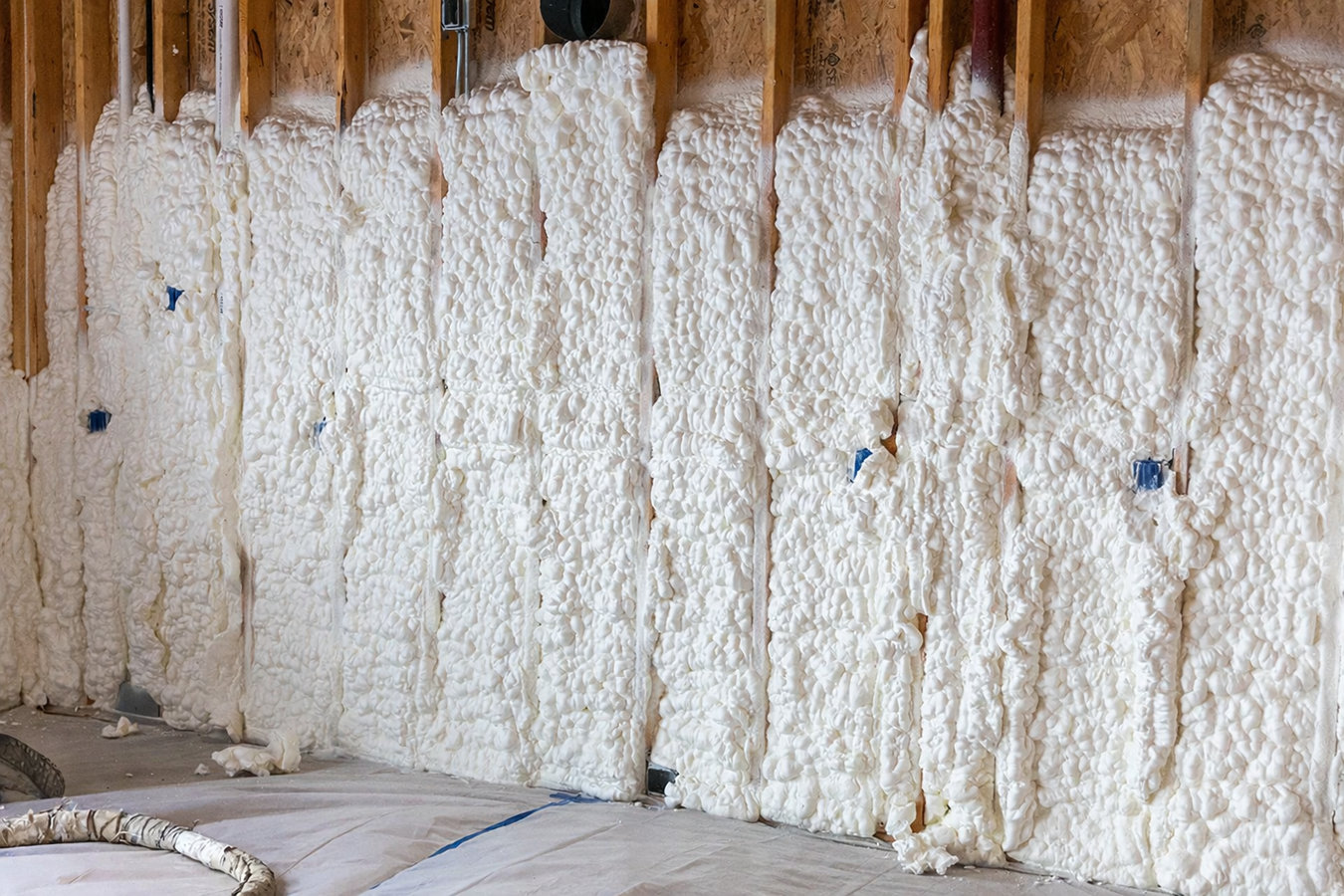
Closed-cell spray foam does three things at once: insulates, seals air gaps, and blocks moisture. For older Lawndale homes near the coast, it is the most effective single-application upgrade you can make.
Closed-cell spray foam insulation in Lawndale is a two-part liquid sprayed onto walls, ceilings, or crawl space surfaces where it expands and hardens into a dense, rigid layer - insulating, sealing air gaps, and resisting moisture all at once, with most attic or crawl space jobs completed in one to two days.
Unlike fiberglass batts that sit between studs without sealing the framing around them, closed-cell foam adheres to the surface and fills every gap it contacts. For homes in Lawndale - where the housing stock is predominantly 1940s to 1970s construction with irregular framing, aging insulation, and exposure to coastal moisture - that combination of properties makes it the most practical single upgrade you can make to your home's envelope. If you are considering a broader upgrade that includes walls or whole-home energy efficiency, our spray foam insulation page covers all foam options and helps you understand where each type fits best.
The U.S. EPA has published guidance on spray foam safety and what homeowners should know before, during, and after installation at epa.gov/saferchoice/spray-polyurethane-foam-spf-insulation - worth reading before you schedule any spray foam job.
Lawndale's coastal air brings real moisture, and if your walls or attic are not well sealed, that humidity finds its way inside overnight. If you notice a faint musty smell when you wake up, or surfaces near exterior walls feel slightly cool and clammy, your home's envelope is letting in more outside air than it should. Closed-cell foam seals those entry points and keeps the damp air where it belongs.
If a specific bedroom is always warmer in summer or cooler in winter than the rest of the house, that room likely has more air leakage or thinner insulation than the others. This is especially common in older Lawndale homes where additions were built at different times, or where original insulation was installed unevenly. Foam fills gaps that other materials cannot reach.
Hold your hand near an electrical outlet on an exterior wall on a cool morning. If you feel a slight breeze or temperature difference, air is moving through the wall cavity. This is a very common finding in Lawndale bungalows and ranch-style homes where original construction left gaps around wiring, pipes, and framing. Spray foam is one of the few materials that can seal these irregular spaces completely.
California energy codes have been updated many times since the 1970s. Homes built before those standards took effect were often insulated to a much lower level than what is considered adequate today. If you have lived in your Lawndale home for years and cannot recall any insulation work, there is a good chance the existing material has degraded - or that some areas were never insulated at all.
We apply closed-cell foam in attics, crawl spaces, basement walls, rim joists, and interior wall cavities - whatever area is losing the most heat and letting in the most outside air for your specific home. The process starts with a thorough assessment: we measure the space, check for existing moisture damage, and confirm that the area is ready before a drop of foam goes in. Poor preparation is the leading cause of spray foam jobs that underperform, and we do not skip that step. For homes where the primary need is lower-level moisture control, our open-cell foam insulation is worth comparing - it is the right material for some situations, and we will tell you honestly which fits your home better.
The finished product is visible and verifiable. Before the crew packs up, we walk you through the completed work so you can see the coverage with your own eyes - consistent thickness, no thin spots at edges or corners, no gaps where the foam pulled away from a surface. If anything looks uneven, that is the time to raise it, while the crew is still on-site. This same standard applies to every closed cell foam insulation job we complete, regardless of size.
Suits homeowners who want maximum air sealing and moisture resistance at the roof deck - ideal for Lawndale homes near the coast where marine air reaches the attic first.
Targets the lower-level entry points where cold air and coastal moisture enter from below - one of the highest-impact areas in older South Bay homes.
Best for homes undergoing renovation where wall cavities are accessible - fills irregular framing and seals around pipes and wiring that batts cannot accommodate.
Suits Lawndale landlords with duplexes or small apartment buildings - reducing both energy costs and noise transmission between units in a single project.
Lawndale sits a few miles from the Pacific Ocean, and the marine layer that rolls in off the coast most mornings keeps the air consistently more humid than inland neighborhoods of Los Angeles County. That coastal moisture can work its way into poorly sealed walls and attic spaces over time - leading to musty smells, soft wood, and gradual air quality problems. Closed-cell foam's ability to block moisture, not just slow it down, makes it a particularly good match for homes this close to the water. Homeowners in nearby Redondo Beach and El Segundo face the same coastal conditions, and we bring the same material approach to every South Bay job.
Most of Lawndale's residential neighborhoods were built between the 1940s and 1970s, and many homes still have their original fiberglass batts or no wall insulation at all. Older insulation compresses and loses effectiveness over decades, and it does nothing to stop air leaks. Lawndale is served by Southern California Edison, which periodically offers rebates for qualifying energy efficiency upgrades including insulation. Check SCE's current program offerings before you schedule your project - those incentives can offset a meaningful portion of the upfront cost. The Spray Polyurethane Foam Alliance publishes installation quality standards at sprayfoam.org - useful when evaluating contractors.
We ask a few basic questions - what part of the house, any moisture or comfort issues, and how old the home is. This lets us show up prepared. You will hear back within one business day to confirm your estimate appointment.
We walk through the areas to be insulated, take measurements, and check for any moisture damage or problems that need addressing first. The visit takes 30 to 60 minutes. You get a written estimate that breaks down the area to be covered, foam thickness, total cost, and timeline - no pressure to decide on the spot.
Clear the work area of stored items and furniture. Plan for yourself, your family, and your pets to be out of the house during the spray and for a few hours after - your contractor will give you a specific re-entry time. This is the main preparation on your end.
The crew arrives with their equipment, sets up protective coverings, and applies foam in sections. A typical attic or crawl space job is done in one to two days. We walk you through the finished work before we leave so you can see the coverage and confirm everything looks right.
We visit your home, assess what you actually need, and give you a written quote - no obligation, no sales pitch.
(424) 318-3156One of the biggest worries homeowners have when hiring any contractor is not being able to tell good work from bad. With spray foam, the finished product is visible - you can see the coverage, check the thickness, and ask us to show you any area you are unsure about before we leave. We do this on every job because we want you to feel confident, not just hopeful.
Most of our work is in homes built before California energy efficiency standards took effect - homes with irregular framing, gaps around original wiring, and insulation conditions that newer-construction contractors are not used to seeing. The postwar bungalows and ranch homes of Lawndale are what we know.
We follow installation quality standards published by the Spray Polyurethane Foam Alliance, the national trade group for spray foam contractors. Those standards cover proper application thickness, safety procedures, and re-entry timing - the things that separate a foam job that performs as promised from one that underdelivers. Ask any foam contractor you are evaluating whether they follow SPFA guidelines.
Southern California Edison periodically offers rebates for qualifying insulation upgrades in Lawndale. Most programs require you to apply before work starts - not after. We are familiar with the current documentation requirements and can help you take advantage of available savings without missing the application window.
Lawndale homeowners have older homes with real insulation gaps, and they deserve a contractor who treats the estimate as a genuine assessment. We tell you what your home actually needs - and if the answer is something other than spray foam, we will say so.
A lighter, more flexible foam option suited to interior walls and spaces where moisture resistance is less critical than in coastal applications.
Learn MoreAn overview of all spray foam options - open and closed cell - to help you understand which material fits your specific project and budget.
Learn MoreLawndale's next marine layer season is coming - schedule your closed-cell foam estimate now and get ahead of it.